FTL or Part Load: Choosing the Right Mode for Industrial Cargo
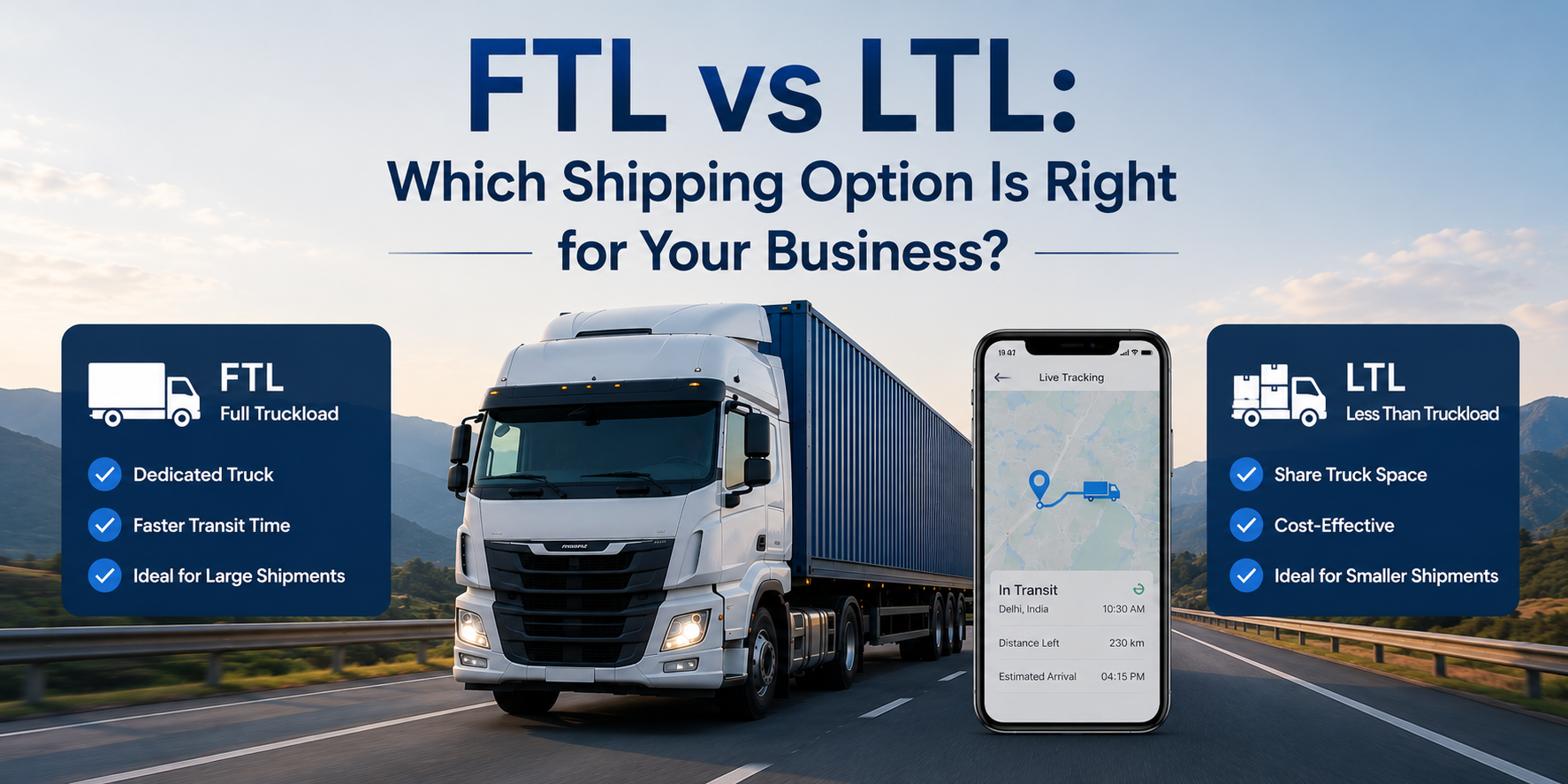
Most industrial shippers treat the choice between a full truck load and a part load as a rate comparison. For heavy and bulky cargo it is not — the deciding factor is usually how many times the consignment will be handled between origin and destination, and what each of those handlings costs you in risk.
When a dedicated vehicle is the right call
Book FTL when the load fills most of the deck, when it is heavy enough that re-handling requires equipment, or when it is a fabricated assembly, machine or crated unit that will not survive being shifted at a transhipment point. A dedicated vehicle also matters when the delivery date is fixed — commissioning schedules and plant shutdowns leave no room for consolidation delays.
When part load makes sense
Part load works for palletised or robustly packed goods that are not date-critical and do not need special handling. You pay for the deck space you use, which is genuinely cheaper on low-volume lanes. The trade-off is longer transit and at least one intermediate handling — acceptable for stock replenishment, rarely acceptable for machinery.
Where over-dimensional cargo sits
Once a consignment exceeds standard deck dimensions or axle load limits, the question stops being FTL versus part load. It becomes a project movement requiring a route survey, the correct trailer configuration and statutory permits — and it needs to be planned weeks ahead, not booked the previous day.
Send us the weight, dimensions and route and we will tell you which mode the cargo actually needs, including when the cheaper option is the right one.
More from the blog
What GPS Tracking Actually Changes for Heavy Cargo Movements
Live tracking is now standard. Its real value on oversized and project consignments is not the map — it is the time it buys you when a route goes wrong.
Logistics TipsFive Ways Manufacturers Cut Freight Cost Without Adding Risk
Outbound freight is a significant line item for any manufacturer. These five measures reduce it without pushing risk onto the cargo.